Many keen skiers will spend the weeks and even months before the season getting their body up to speed, ready for the snow. They run, squat, stretch and lift, hoping to improve their fitness and stamina. While they may not ski into the first snow drift they meet, they can sometimes fall at the key hurdle of ordering a drink and food at the bar!
“But everyone speaks English” I hear you say. It is certainly true in the hospitality industry that many staff will speak some English. However, the level may be patchy, or you may find that it is fine until you have a specific requirement which is less common. This can be a serious issue if you have food intolerances or need to avoid particular foods for any other reason.
Once you move away from the well-beaten tourist track then you are more likely to come across those who do not speak English. The most memorable experience I have of this is from a skiing holiday in one of the less well-known resorts in Austria. On the first day of our holiday, one of our group fell awkwardly and damaged her leg. She clearly required an ambulance, which was duly summoned. Although she spoke some German, her pain levels meant that she had forgotten most of the niceties – and it turned out that neither of the ambulance crew spoke any English at all! Filling out all the forms on the way to hospital would have been a most interesting experience if we hadn’t sent another German-speaker with her and could have delayed treatment once she reached hospital.
Our suggestion would be to learn the basics of the most common language in your holiday destination. If you are in doubt about your accent then you can write a dozen or so useful phrases on a piece of paper and point to the ones you need. If you have a food allergy or intolerance or other medical issue, then consider getting a translation of the issue and any medication you may require. There are several websites where you can get medical information cards in a variety of languages.
Teri Fleetwood is an experienced language tutor with over 16 years experience of tutoring to the GCSE and A Level curriculum. For more information please look at the rest of the posts in this blog and also check our Facebook page https://www.facebook.com/LanguageLearnersSurrey/ If you would like to discuss 1:1 or small group tuition, whether for exam preparation or pleasure, then do get in touch! teri@language-learners.com
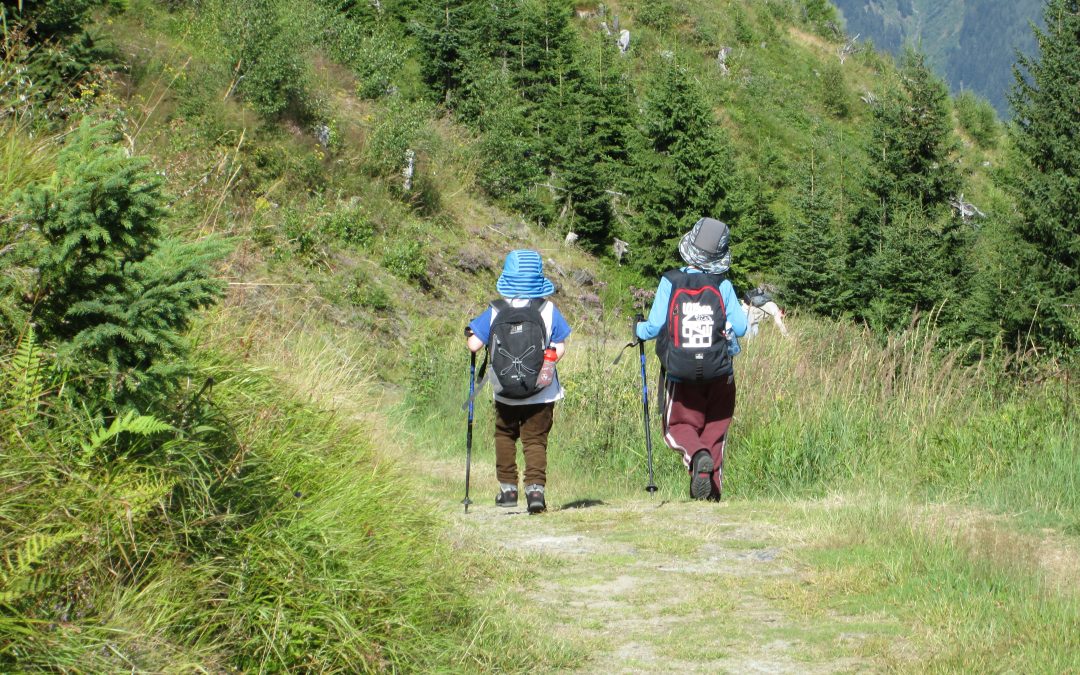
Going on holiday with children? Going to a country where English is not the first language? Here are some tips from us to help make the holiday a bit easier, and to encourage your children to learn more about the country too!
Talk to your children about the language/s spoken at your destination. Help them to understand that not everybody speaks the same language.
Learn some key phrases together. Words like “please” and “thank you” in the local language can bring a much better level of service, especially when they are used by the younger members of the party!
Find out about the local food specialities and talk about what you might like to try. Sounding excited about it will help to encourage your child to try new things.
If you have a real favourite food, see if you could take some with you. A few familiar snacks can go a long way to soothing tired and frustrated children. They can also be life-savers if the flight is delayed!
While on your holiday, try to point out words and phrases that you know. Keeping an eye out for things such as “toilet”, “exit” or even “ice cream” can entertain the youngsters in a strange town and help them to see the point of learning a new language.
Why not encourage your child to use the language themselves? The sense of pride when they successfully buy bread at the baker, ask for their own ice cream, or order the train tickets themselves (depending on age) is something that could stick with them for a long time. One year we encouraged our children to order their own drinks, with the promise of a hot chocolate with cream if they could ask for it themselves!
Think about the worst case scenario – what if your child gets lost? Consider giving them a contact card to keep in a pocket. It could include key information such as their name, the languages they speak, any medical conditions and your mobile number or accommodation details. A bit of time taken to get this information in the destination language could save a lot of time and hassle if your little one gets lost. You could do the same for adults too, just in case!
Teri Fleetwood is an experienced language tutor with over 16 years experience of tutoring to the GCSE and A Level curriculum. For more information please look at the rest of the posts in this blog and also check our Facebook page https://www.facebook.com/LanguageLearnersSurrey/ If you would like to discuss 1:1 or small group tuition, whether for exam preparation or pleasure, then do get in touch! teri@language-learners.com
How do you measure success when learning a language? For some people success is measured in exams, certificates and qualifications, for others it is more a question of gaining confidence to be able to do things which you couldn’t do before – like ordering a coffee or reserving a hotel room. This is the story of one of our past students, Andy.
Andy started beginner German classes with Language Learners in early 2015. He was planning to take ski instructor training in Switzerland and wanted to get a head start on the language. Here is what Andy himself had to say about his first set of lessons with us:
“I had never spoken German before and needed to learn a lot in a small amount of time. In the space of just a few months Teri had me confidently speaking the language to the point I arrived out here and became the person who had to do all the translating and question asking! Teri’s lessons were great fun and really well structured. From tenses and grammar to specific lessons on Ski vocabulary, she really took into account my requirements and level. When I come back next year I will definitely be continuing the lessons and improving my language skills further. Thanks a lot Teri!”
Did Andy return for more lessons? Yes, indeed he did. He came back at the end of the ski season and continued learning in preparation for a return to Switzerland in the next ski season. We continued with focussed classes on grammar and ski vocabulary including naming eight different types of ski lift, and practising how to call for medical assistance. In fact, he was so inspired that he also took the Goethe Institut A1 level German exam in London shortly before the 2016 ski season, which he passed with a good mark.
There was mixed news about Andy’s season. The good news was that he felt confident in his language and really enjoyed his time there. The bad news was that a ski accident saw him “enjoying” the Swiss medical facilities rather more than he may have wanted. However, every cloud has a silver lining and we were delighted to get a message from Andy to say that the medical vocabulary we had covered had been really helpful and that he had managed to complete all his own medical forms, in German, despite the pain!
Andy recovered from his accident and completed the ski season. He has now returned to the UK and has moved away from the area to start a new job.
Many keen skiers will spend the weeks and even months before the season getting their body up to speed, ready for the snow. They run, squat, stretch and lift, hoping to improve their fitness and stamina. While they may not ski into the first snow drift they meet, they can sometimes fall at the key hurdle of ordering a drink and food at the bar!
“But everyone speaks English” I hear you cry. It is certainly true in the hospitality industry that many staff will speak some English. The level may be patchy, or you may find that it is fine until you have a specific, more unusual, requirement. This can be a particular issue if you have food intolerances or need to avoid particular foods for any other reason.
Once you move away from the well-beaten tourist track then you are more likely to come across those who do not speak English. The most memorable experience I have of this is from a skiing holiday in one of the less well-known resorts in Austria. On the first day one of our group fell awkwardly and damaged her leg. She clearly required an ambulance, which was duly summoned. Although she spoke some German, the pain levels meant that she had forgotten most of the niceties – and it turned out that neither of the ambulance crew spoke any English at all! Filling out all the forms en route to hospital would have been a most interesting experience if we hadn’t had our own translator!
Our suggestion would be to learn the basics of the most common language in your holiday destination. If you are in doubt about your accent then you can write a dozen or so useful phrases on a piece of paper and point to the ones you need. Some online dictionaries also offer the option of hearing the word from a native speaker. www.leo.de provides this option for those who are learning German (or other languages with German as their base language). Be wary of online translation tools – they have their faults, and you cannot always guarantee wifi access at the top of a mountain!
If you have a food allergy or intolerance or other medical issue, then consider getting a translation of the issue and any medication you may require. There are websites where you can get medical information cards in a variety of languages, for example AllergyUK.
Teri is a language trainer, specializing in teaching French, German and English to adults. She no longer skis, preferring to find a good café, an exciting book and a “chocolat chaud” as she watches the family on their adventures.
This website uses cookies to improve your experience. We'll assume you're ok with this, but you can opt-out if you wish.AcceptRead More
Privacy & Cookies Policy
Privacy Overview
This website uses cookies to improve your experience while you navigate through the website. Out of these, the cookies that are categorized as necessary are stored on your browser as they are essential for the working of basic functionalities of the website. We also use third-party cookies that help us analyze and understand how you use this website. These cookies will be stored in your browser only with your consent. You also have the option to opt-out of these cookies. But opting out of some of these cookies may affect your browsing experience.
Necessary cookies are absolutely essential for the website to function properly. This category only includes cookies that ensures basic functionalities and security features of the website. These cookies do not store any personal information.
Any cookies that may not be particularly necessary for the website to function and is used specifically to collect user personal data via analytics, ads, other embedded contents are termed as non-necessary cookies. It is mandatory to procure user consent prior to running these cookies on your website.