How do you measure success when learning a language? For some people success is measured in exams, certificates and qualifications, for others it is more a question of gaining confidence to be able to do things which you couldn’t do before, like ordering a coffee – or discussing your refurbishment project with the builder! Today’s success story is about Liz. Here is what she says:
“Owning a home in the Swiss Alps, I recently needed to significantly progress my working knowledge of French to cope with the redevelopment of our property there and so liaise with builders and suppliers. I enjoyed fun and diverse learning sessions where all key language skills were addressed; vocabulary and scenarios relevant to houses and building really helped me specifically.”
It wasn’t all about the building project. We also took care to help with grammar so that Liz could understand whether people were talking about things they had already done or what was to be done in the future. Liz continues: “For the first time too, grammar was understandable. Teri’s grammar sheets clearly showed how to construct particular tenses and the structure of sentences in terms of word order – something I had always struggled with at school.”
Liz continued with classes after the completion of the refurbishment project and periodically returns for additional conversation practice. She concludes “Language Learners lessons have definitely progressed my ability in French and I feel confident to liaise in a multitude of scenarios. I still have a lot to learn, but I know I can speak, read and write at a much higher level than ever before and my understanding, gained from a range of interactive listening exercises, has also progressed.”
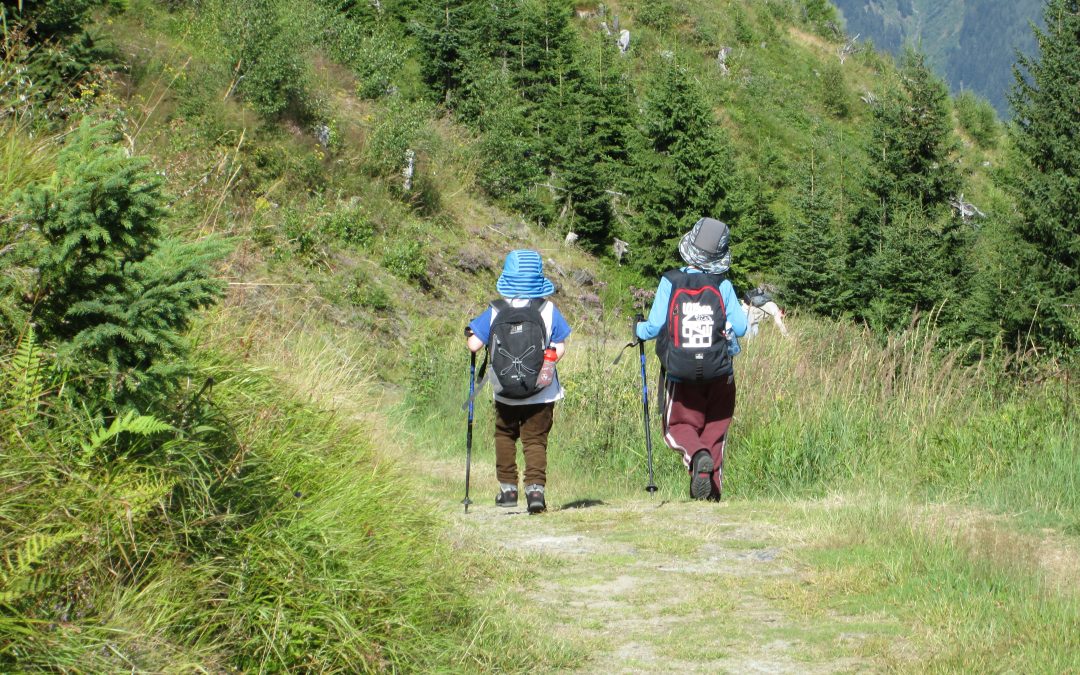
Going on holiday with children? Going to a country where English is not the first language? Here are some tips from us to help make the holiday a bit easier, and to encourage your children to learn to enjoy learning about the country and its language too!
·Talk to your children about the language/s spoken at your destination. Help them to understand that not everybody speaks the same language.
·Learn some key phrases together. Words like “please” and “thank you” in the local language can bring a much better level of service, especially when uttered by the younger members of the party!
·Find out about the local food specialities and talk about what you might like to try. Sounding excited about it will help to encourage your child to try new things.
·If you have a real favourite food, see if you could take some with you. A few familiar snacks can go a long way to soothing tired and frustrated children. They can also be life-savers if the flight is delayed!
·While on your holiday, try to point out words and phrases that you know. Keeping an eye out for things such as “toilet”, “exit” or even “ice cream” can entertain the youngsters in a strange town and help them to see the point of learning a new language.
·Why not encourage your child to use the language themselves? The sense of pride when they successfully buy bread at the baker, ask for their own ice cream, or order the train tickets themselves (depending on age) is something that could stick with them for a long time.
·Think about the worst case scenario – what if your child gets lost? Consider giving them a contact card to keep in a pocket. It could include key information such as their name, the languages they speak, any medical conditions and your mobile number or accommodation details. A bit of time taken to get this information in the destination language could save a lot of time and hassle if your little one gets lost. You could do the same for adults too, just in case!
This website uses cookies to improve your experience. We'll assume you're ok with this, but you can opt-out if you wish.AcceptRead More
Privacy & Cookies Policy
Privacy Overview
This website uses cookies to improve your experience while you navigate through the website. Out of these, the cookies that are categorized as necessary are stored on your browser as they are essential for the working of basic functionalities of the website. We also use third-party cookies that help us analyze and understand how you use this website. These cookies will be stored in your browser only with your consent. You also have the option to opt-out of these cookies. But opting out of some of these cookies may affect your browsing experience.
Necessary cookies are absolutely essential for the website to function properly. This category only includes cookies that ensures basic functionalities and security features of the website. These cookies do not store any personal information.
Any cookies that may not be particularly necessary for the website to function and is used specifically to collect user personal data via analytics, ads, other embedded contents are termed as non-necessary cookies. It is mandatory to procure user consent prior to running these cookies on your website.