As our thoughts turn to holiday season, now is a great time to consider whether your language skills are also ready. Check out our tips and ideas for making the most of the summer season to brush up your language skills.
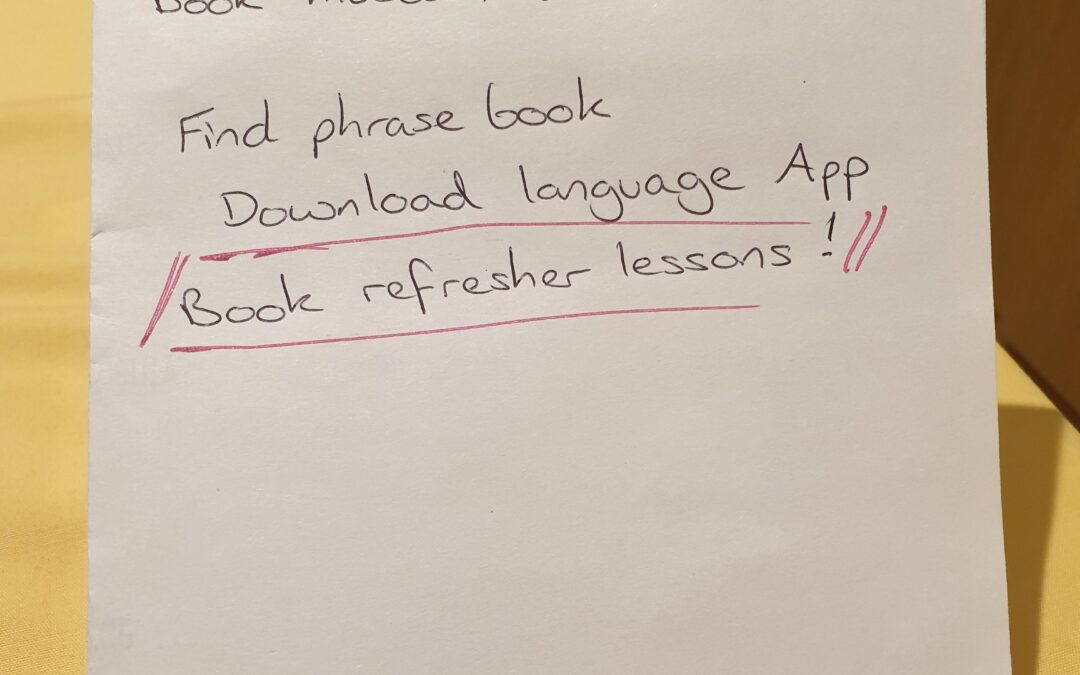
Already have some language skills? If it has been a while since you last used them, then consider warming them up before you go. You could use a language-learning app to refresh your vocabulary or try finding a podcast for some extra practice.
Talking of podcasts, why not check out the possibilities for targeted topics such as visiting a café or booking tickets. There are several series of “Coffee Break” language podcasts (Coffee Break French, Coffee Break German etc). If you look at the titles you can usually see what is covered in each one.
Food – If you have allergies or dietary requirements then it would be a really good idea to work out how to talk about them in your chosen language. Maybe make a small card with the key details on it so that you can show the restaurant staff.
While you are away, take the opportunity to pick up real-life materials to help with your language-learning. Choose the museum leaflet in French as well as the one in English, take a photo of the German menu, visit a newsagent and buy some authentic reading material. Whatever suits your level and your interests.
A short, sharp burst of language classes may be just what you need to give you the confidence to enjoy your holiday more – whether that is because you are able to ask for directions (and understand the answers!), or to explain your dietary needs in that chic restaurant you want to visit.
Language Learners will be running summer holiday classes throughout July and August. Drop us a line if you would like details of our French and German summer lessons. teri@language-learners.com
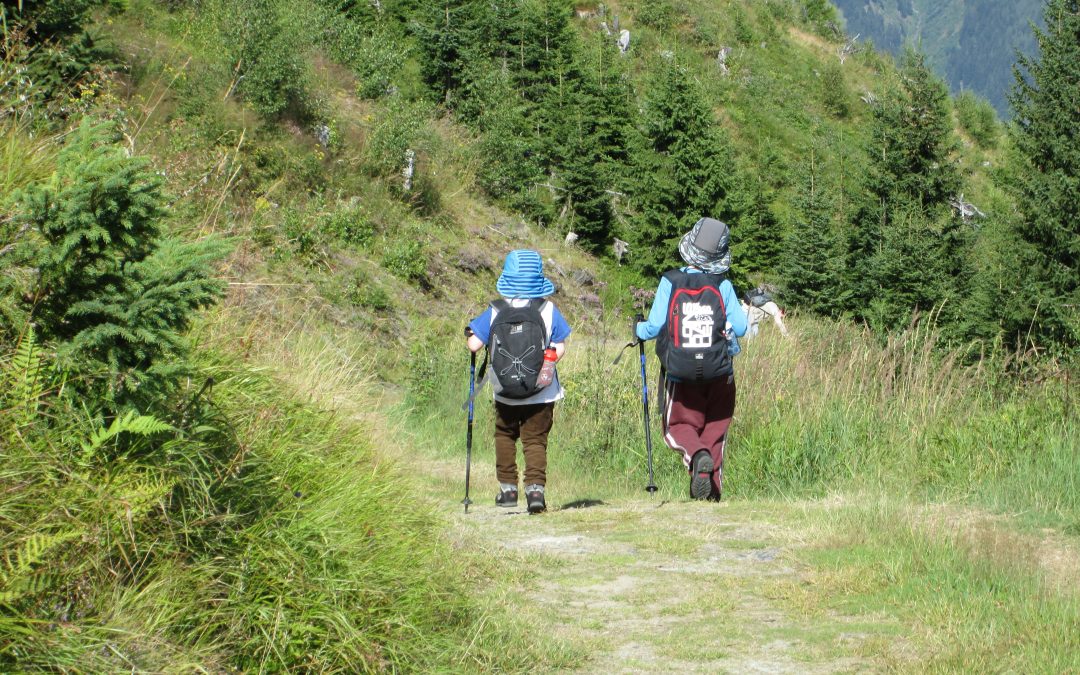
A holiday abroad can be the perfect opportunity to help your children gain a real love of languages. Rather than staying by the pool and just speaking English, why not take the chance to show them how fun (and useful!) language skills can be.
Here are 7 tips from us to help make the holiday a bit easier, and to encourage your children to learn more about the country too!
Talk to your children about the language/s spoken in other countries and specifically at your holiday destination. Help them to understand that not everybody speaks the same language.
Find out about the local food and talk to your young person about what you might like to try. Encourage your child to try new things by sounding excited about the choices.
A few familiar snacks can go a long way to soothing tired and frustrated children. They can also be lifesavers if the flight is delayed! Don’t be afraid to take a couple of favourite things with you (rules permitting!). See if they can find a new favourite snack once you arrive, and bring some home!
Take time to learn some useful phrases together. Words like “please” and “thank you” are not only polite – they can prompt a much better level of service, especially when they are used by the younger folks!
While on your holiday, try to point out words and phrases that you know. Keeping an eye out for things such as “toilet”, “exit” or even “ice cream” can entertain the youngsters in a strange town and help them to see the point of learning a new language.
Encourage your child to use the language themselves! It is really motivating to come back with your prize (the bread, pastries, ice cream etc. that you asked for) knowing that you tried to ask for it in a new language. It really brings languages to life and helps a young person to see the point of learning. One year we encouraged our children to order their own drinks, with the promise of a hot chocolate with cream if they could ask for it themselves. Maybe an unusual breakfast choice, but it worked!
Think about the worst case scenario – what if your child gets lost? Consider giving them a contact card to keep in a pocket. It could include key information such as their name, the languages they speak, any medical conditions and your mobile number or accommodation details. A bit of time taken to get this information in the destination language could save a lot of time and hassle if your little one gets lost. You could do the same for adults too, just in case!
This website uses cookies to improve your experience. We'll assume you're ok with this, but you can opt-out if you wish.AcceptRead More
Privacy & Cookies Policy
Privacy Overview
This website uses cookies to improve your experience while you navigate through the website. Out of these, the cookies that are categorized as necessary are stored on your browser as they are essential for the working of basic functionalities of the website. We also use third-party cookies that help us analyze and understand how you use this website. These cookies will be stored in your browser only with your consent. You also have the option to opt-out of these cookies. But opting out of some of these cookies may affect your browsing experience.
Necessary cookies are absolutely essential for the website to function properly. This category only includes cookies that ensures basic functionalities and security features of the website. These cookies do not store any personal information.
Any cookies that may not be particularly necessary for the website to function and is used specifically to collect user personal data via analytics, ads, other embedded contents are termed as non-necessary cookies. It is mandatory to procure user consent prior to running these cookies on your website.