
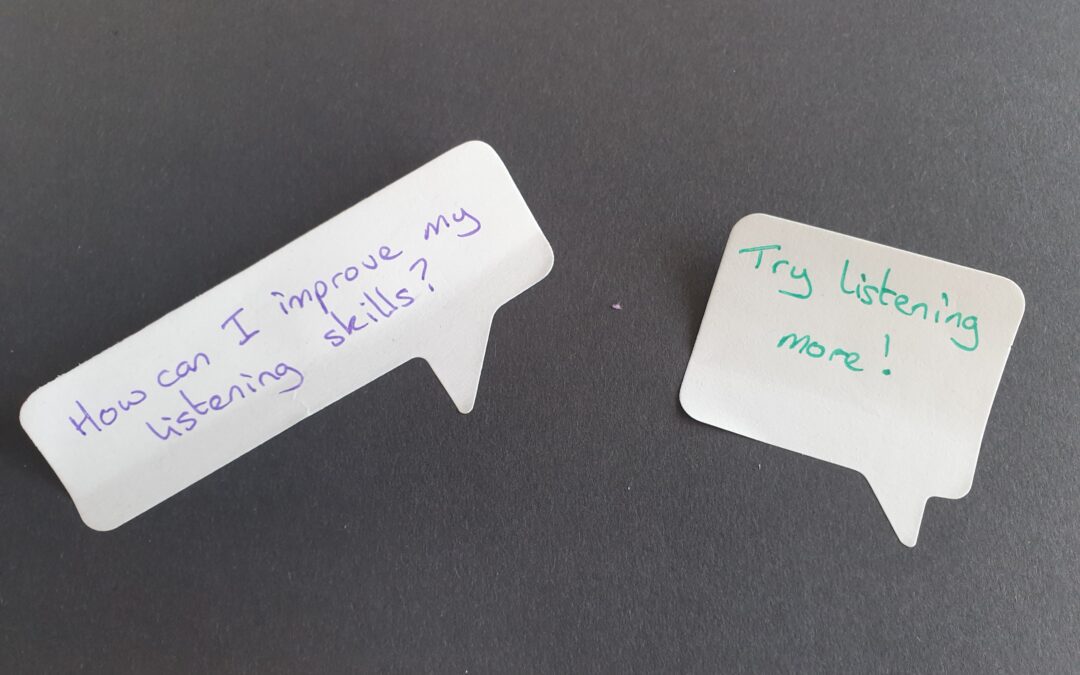
“How can I improve my French listening skills?” asked one of my students recently. “Try listening to more French” was my immediate reply.
Of course I didn’t just leave it there. We talked about suitable resources, including past listening exams, revision workbooks and BBC Bitesize. I introduced them to a popular French news website aimed at children, and to several resources on YouTube. We even spent some time talking about how you can change the language of some shows on streaming platforms or use subtitles (top tip – if you must use subtitles, then use the ones in the target language. If you use English subtitles you will simply ignore the spoken language and just read).
The reality is that if we expect students to do well at listening to French, German or any other language, then we must give them plenty of opportunities to practise doing so. So often with exam students, we focus only on the type of texts that they will find in the exam, rather than exposing them to a wider range of language from the start.
Listening exams for A Level Students – you will be called on to listen to texts and answer questions, but also to listen to texts and then produce a written summary of the key points. You don’t have to limit your practice to just the topics in the syllabus, or just people with a very clear accent, or even just to texts read at the standard pace. You need lots of types of language, lots of different accents, and lots of practice.
- Listen to the news in your target language every week. Make notes on the key stories, then check to see if you got it right.
- Listen to talk radio in your target language. Music radio often plays English songs. Lovely, but not constructively helpful.
- If you can, watch TV in your target language. Whichever streaming platform you use, try to resist the use of subtitles, and if you really must, then use only subtitles in the target language. TV shows are shorter and more manageable than films. If you find one that you really enjoy then you will also be more motivated to watch different episodes and to keep coming back to it.
- Don’t be afraid to pause the track and go back. In the A Level listening exam, you have the control over how you use the track. You can listen to it all the way though or pause and go back regularly. My personal choice is to listen all the way through once, to get the whole picture, then to listen in chunks to give me time to make the notes I need.
Above all, for A Level students in particular, don’t wait for your teacher to present perfect listening opportunities (and if they do show the news at lunchtime, make sure you attend!). There is a lot of material to cover, and not much lesson-time in which to complete everything. You will have heard teachers say that you should spend 5-6 hours a week in independent study. This is what they mean. Make regular listening practice an active part of your study plan.